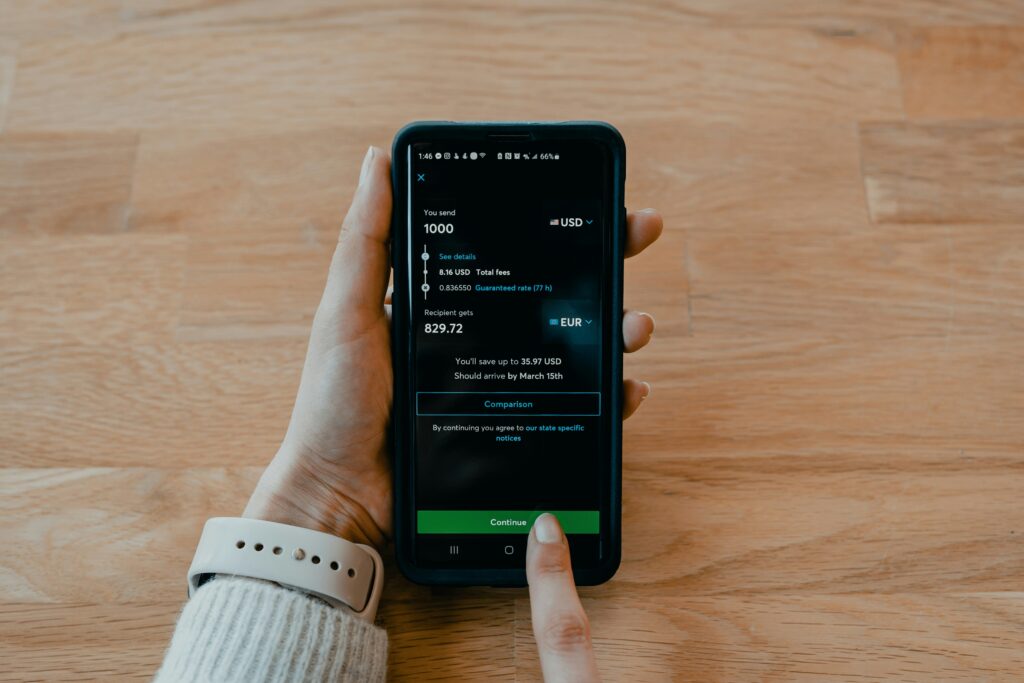
If you are looking for the best money transfer for Japan expats, you are not alone. Finding the best money transfer for Japan expats is one of the first financial challenges every foreigner faces after settling in. Traditional Japanese banks charge flat fees of ¥3,000 to ¥7,500, add hidden exchange rate markups, and require you to fill out complex forms in Japanese — making the whole process incredibly frustrating and expensive.
Fortunately, the landscape has changed dramatically in recent years. In 2026, expats living in Japan have access to several fast, secure, and cheap digital transfer services. Whether you need to send yen back to your home country to pay off student loans, support family, or just move your savings, choosing the right service can save you hundreds of dollars a year.
In this complete guide, we will compare the top money transfer services available to foreigners in Japan, including Wise, Remitly, Revolut, and SBI Remit, so you can decide which one is the best money transfer for Japan expats in your specific situation.
Contents
- 1 Why You Should Avoid Traditional Japanese Banks
- 2 Wise: The Best Money Transfer for Japan Expats Overall
- 3 Remitly: Best for Promotional Rates and Cash Pickups
- 4 Revolut: Best for Frequent Travelers
- 5 SBI Remit: Best for Sending to Asia and South America
- 6 Comparison: Which Service Should You Choose?
- 7 Important Requirements for Sending Money from Japan
- 8 Frequently Asked Questions
- 9 Final Thoughts
Why You Should Avoid Traditional Japanese Banks
Before we dive into the best alternatives, it is important to understand why you should avoid sending international wire transfers through traditional Japanese banks like MUFG, SMBC, Mizuho, or Japan Post Bank.
First, the fees are exorbitant. A standard international wire transfer from a major Japanese bank usually incurs a flat sending fee of around ¥3,000 to ¥4,000. On top of that, there is often a “lifting fee” (usually around ¥2,500) and sometimes a receiving fee charged by your bank back home.
Second, and more importantly, banks hide their biggest fees in the exchange rate. They rarely give you the mid-market rate (the real exchange rate you see on Google). Instead, they add a markup of 1% to 3%. If you are transferring ¥500,000, a 2% markup means you are losing ¥10,000 just on the exchange rate, before any flat fees are even applied.
Finally, the process is notoriously difficult for foreigners. It often requires visiting a branch in person during working hours (usually 9 AM to 3 PM), bringing your hanko (personal seal), Residence Card, and My Number document, and filling out complex forms in Japanese. Sometimes, you even have to provide proof of the source of funds and the reason for the transfer.
Wise: The Best Money Transfer for Japan Expats Overall
For the vast majority of foreigners living in Japan, Wise (formerly TransferWise) is the absolute best way to send money abroad. It has become the gold standard for expats worldwide, and its service in Japan is excellent.
The biggest advantage of Wise is transparency. They always use the real, mid-market exchange rate without any hidden markups. Instead of hiding fees in the rate, they charge a small, upfront percentage fee based on the amount you are sending and the currency route.
Pros of using Wise in Japan:
- Real exchange rates: You get the exact rate you see on Google.
- Low, transparent fees: Usually between 0.5% and 0.8% for major currency routes (like JPY to USD, EUR, or GBP).
- Fast transfers: Many transfers arrive on the same day, sometimes within seconds.
- Multi-currency account: You can hold balances in over 40 currencies and get a debit card to spend locally or abroad.
- English support: The entire app, website, and customer support are available in English.
How to set it up: You can register online or via the app. You will need to verify your identity by uploading a photo of your Residence Card (Zairyu Card) and your My Number document (either the My Number Card or the paper notification slip). Once verified, you simply transfer yen from your Japanese bank account to Wise’s local Japanese account (usually PayPay Bank), and they handle the rest.
Remitly: Best for Promotional Rates and Cash Pickups
If you are looking for an alternative to Wise, Remitly is another excellent option that is very popular among the expat community in Japan.
Remitly operates slightly differently than Wise. While Wise focuses on the mid-market rate and a percentage fee, Remitly often uses a slight exchange rate markup but offers lower flat fees, or even zero fees on certain transfers. They are particularly aggressive with promotional rates for new customers, meaning your first transfer with Remitly might actually be cheaper than Wise.
Pros of using Remitly in Japan:
- Great promotional rates: First-time users often get a significantly better exchange rate and zero fees.
- Delivery options: Unlike Wise, which only sends to bank accounts, Remitly offers cash pickup options in many countries, which is crucial if you are sending money to relatives who do not have bank accounts.
- Speed choices: You can choose between “Express” (arrives in minutes, costs slightly more) and “Economy” (takes a few days, costs less).
When comparing Wise vs Remitly, it usually comes down to the specific currency route and whether you need cash pickup. It is always worth checking both apps on the day you want to transfer to see which offers the better final payout amount.
Revolut: Best for Frequent Travelers
Revolut has been expanding its presence in Japan and offers a compelling service, especially if you travel frequently or need to spend money in multiple currencies.
Revolut is essentially a digital banking app. You can top up your Revolut Japan account with yen (via bank transfer or debit card) and then exchange it within the app at the interbank rate. You can then send that money to an overseas bank account or spend it using the Revolut debit card.
Pros of using Revolut in Japan:
- Interbank exchange rates: Like Wise, they offer excellent exchange rates.
- Free transfers (with limits): The standard free plan allows you to exchange up to a certain limit (around ¥750,000 per month) without exchange fees during weekdays.
- Great travel card: The physical debit card is excellent for spending abroad without foreign transaction fees.
The catch: Revolut charges a 1% markup on currency exchanges made on weekends. Always make sure to do your exchanges between Monday and Friday. Additionally, if you exceed the monthly limit on the free plan, a 0.5% fair usage fee applies.
SBI Remit: Best for Sending to Asia and South America
SBI Remit is a Japanese service that partners with MoneyGram. While its app and interface are not as slick as Wise or Revolut, it is a very reliable service that is particularly strong for sending money to countries in Southeast Asia, South Asia, and South America.
Pros of using SBI Remit:
- Cash pickup network: Because of the MoneyGram partnership, recipients can pick up cash at hundreds of thousands of locations worldwide.
- Convenient deposit methods: You can deposit yen into your SBI Remit account via ATMs at convenience stores (like FamilyMart or Lawson) or Japan Post Bank, which is great if you get paid in cash.
- Multilingual support: They offer customer support in many languages, including Tagalog, Vietnamese, Nepali, and Spanish, catering to Japan’s diverse foreign workforce.
The downside is that their exchange rates usually include a markup, and the fee structure can be complex depending on the destination country and the deposit method used.
Comparison: Which Service Should You Choose?
To summarize, here is how you should choose the best money transfer for Japan expats based on your situation. There is no single right answer — the best money transfer for Japan expats depends on your destination country, how often you send, and whether your recipient needs cash or a bank deposit.
- Choose Wise if: You want the most transparent pricing, the real mid-market exchange rate, and are sending money to a bank account in North America, Europe, or Oceania. It is the most reliable all-rounder.
- Choose Remitly if: You are a first-time user looking to take advantage of promotional rates, or if your recipient needs to pick up the money in cash rather than receiving it in a bank account.
- Choose Revolut if: You travel frequently, want a great multi-currency debit card for daily spending, and can remember to only exchange money on weekdays.
- Choose SBI Remit if: You need to send money to a country with a strong MoneyGram presence for cash pickup, or if you prefer depositing cash at a Japanese convenience store ATM.
Important Requirements for Sending Money from Japan
Regardless of which service you choose, Japanese financial regulations require all money transfer providers to verify your identity. You cannot send money anonymously. Before you sign up for any service, make sure you have the following ready:
- Residence Card (Zairyu Card): Must be valid and have your current address printed on it.
- My Number Document: You must provide either your plastic My Number Card or the paper Notification Card (Tsuchi Kaado). This is a strict legal requirement for all international transfers from Japan.
- Japanese Phone Number: Required for SMS verification.
- Japanese Bank Account: You will need this to transfer the yen to the provider’s local account (unless you are using cash deposits with SBI Remit).
Frequently Asked Questions
Is it safe to use apps like Wise and Remitly instead of a bank?
Yes. Services like Wise, Remitly, and Revolut are heavily regulated by financial authorities in Japan (such as the Kanto Local Finance Bureau) and globally. They use institutional-grade security and hold customer funds in safeguarded accounts separate from their own business accounts.
How long does it take to send money from Japan?
It depends on the service and the destination. Wise and Revolut often complete transfers to major currencies (like USD or EUR) on the same day, sometimes within minutes. Remitly’s Express option is also nearly instant. Traditional bank transfers, on the other hand, can take 3 to 5 business days.
Are there limits on how much I can send?
Yes. Under Japanese law, non-bank money transfer providers (like Wise and Remitly) are generally limited to sending a maximum of ¥1,000,000 per transaction. If you need to send more than ¥1,000,000 at once (for example, to buy a house or repatriate years of savings), you will either need to make multiple smaller transfers or use a traditional bank or a specialized foreign exchange broker.
Final Thoughts
Finding the best money transfer for Japan expats does not have to be complicated. By avoiding traditional Japanese banks and utilizing modern digital services, you can save a significant amount of money on fees and exchange rate markups. The best money transfer for Japan expats in most cases is Wise, but Remitly and Revolut are excellent alternatives depending on your needs.
For most expats, Wise is the clear winner due to its transparency and ease of use. However, it is always a good idea to have accounts with both Wise and Remitly so you can compare rates on the day you need to send money.
For more practical advice on managing your finances and life in Japan, check out our guide on how to open a bank account in Japan as a foreigner. If you have any questions about navigating the Japanese financial system, feel free to contact us.