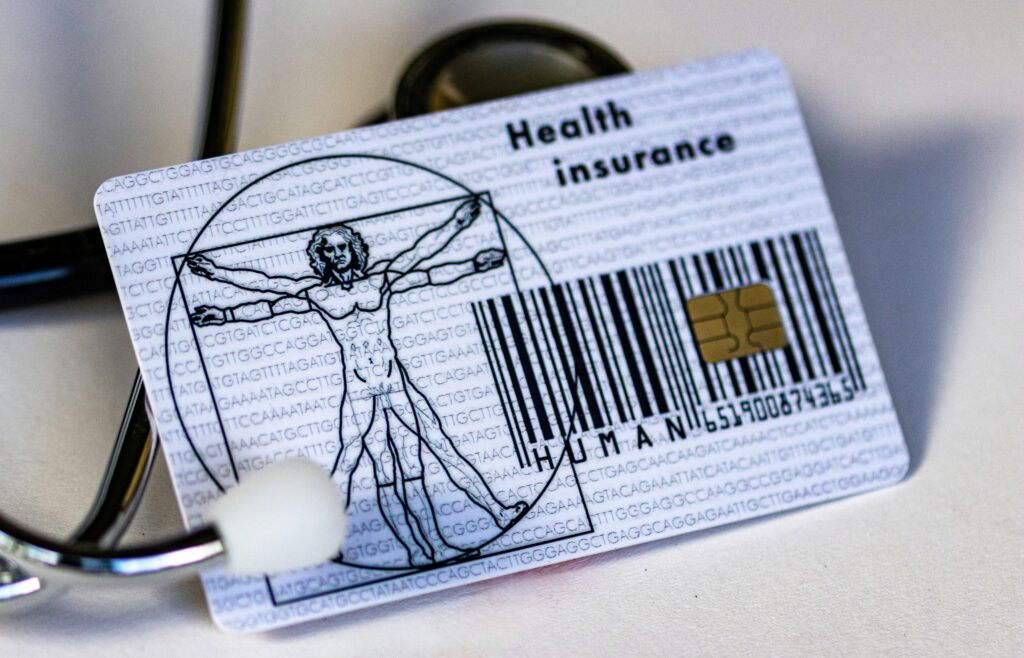
If you are a foreigner trying to understand japan health insurance, you are in the right place. Navigating a new healthcare system in a foreign language can feel overwhelming, but Japan’s public health insurance system is actually one of the most affordable and accessible in the world. Whether you are moving to Tokyo for work, studying in Kyoto, or retiring in Okinawa, understanding how japan health insurance works is a crucial first step to living comfortably as an expat.
In this comprehensive 2026 guide, we will break down everything you need to know: the difference between Employees’ Health Insurance and National Health Insurance, how much it costs, what is covered, and when you might need private insurance like SafetyWing or Cigna Global.
Contents
- 1 Is Japan Health Insurance Mandatory for Foreigners?
- 2 The Two Main Types of Japan Health Insurance
- 3 What Does Japan Health Insurance Cover?
- 4 The High-Cost Medical Care Benefit
- 5 Do Foreigners Need Private Insurance in Addition to Japan Health Insurance?
- 6 How to Use Your Japan Health Insurance Card
- 7 Frequently Asked Questions
- 8 Final Thoughts
Is Japan Health Insurance Mandatory for Foreigners?
Yes. Japan operates a universal healthcare system, which means that enrollment in a public health insurance scheme is mandatory for all residents, including foreigners. If you have a valid residence card (Zairyu Card) and plan to stay in Japan for more than three months, you are legally required to enroll in the public japan health insurance system.
The only exceptions are tourists on short-term visas (less than 90 days) and individuals covered by specific bilateral social security agreements between Japan and their home country. For everyone else, failing to enroll can result in having to pay back premiums when you eventually do register, or facing difficulties when renewing your visa.
The Two Main Types of Japan Health Insurance
Japan’s public health insurance system is primarily divided into two main schemes. Which one you join depends entirely on your employment status.
Employees’ Health Insurance (EHI / Kenko Hoken)
If you are working full-time for a medium-to-large Japanese company, you will be enrolled in Employees’ Health Insurance (Kenko Hoken). This is the most common scheme for expat professionals.
- Who it covers: Full-time employees of private companies, public agencies, and their dependent family members.
- How to enroll: Your employer’s HR department handles all the paperwork. You don’t need to visit the ward office.
- Cost: Premiums are based on your salary. The great benefit of EHI is that your employer pays 50% of the premium, and the remaining 50% is automatically deducted from your monthly paycheck.
National Health Insurance (NHI / Kokumin Kenko Hoken)
If you are not covered by an employer, you must enroll in National Health Insurance (Kokumin Kenko Hoken). This is the most common form of japan health insurance for freelancers, students, and self-employed foreigners.
- Who it covers: Self-employed individuals, freelancers, digital nomads, students, part-time workers (whose hours don’t qualify for EHI), and unemployed residents under the age of 75.
- How to enroll: You must visit the Residential Affairs Division at your local city or ward office within 14 days of arriving in Japan or changing your employment status.
- Cost: You are responsible for paying 100% of the premium. The cost is calculated based on your previous year’s income in Japan, your age, and the specific municipality where you live. If it is your first year in Japan, your premium will be calculated at the minimum baseline rate since you had no Japanese income the previous year.
What Does Japan Health Insurance Cover?
The coverage provided by both EHI and NHI is excellent and comprehensive. Under the public system, the government covers 70% of all eligible medical costs. You are only responsible for paying the remaining 30% out of pocket at the clinic or hospital.
For young children (usually under 6) and seniors (over 70), the coverage is even better, with the government paying 80% to 90% of the costs.
What is covered (you pay 30%):
- Doctor consultations and primary care visits
- Specialist treatments and hospital stays
- Prescription medications
- Emergency care and surgeries
- Most dental care (including fillings, root canals, and basic crowns)
- Physical therapy and some alternative treatments (like acupuncture) if prescribed by a doctor
What is NOT covered (you pay 100%):
- Cosmetic surgery and elective procedures
- Orthodontics (braces) and advanced dental work (like ceramic crowns or implants)
- Normal pregnancy and childbirth costs (though the government provides a separate lump-sum grant of around ¥500,000 to cover delivery expenses)
- Routine health checkups and preventative screenings (though many municipalities and employers offer these for free or at a heavy discount)
- Private hospital rooms
The High-Cost Medical Care Benefit
One of the best features of japan health insurance is the High-Cost Medical Care Benefit (Kogaku Ryoyohi Seido). This system acts as a safety net to prevent medical bankruptcy.
If you require major surgery or prolonged hospitalization, your 30% out-of-pocket share could still be a massive amount. However, the government sets a monthly cap on how much you have to pay, based on your income bracket. For an average earner, this cap is usually around ¥80,000 to ¥90,000 per month. Any eligible medical costs above this cap are fully covered by the insurance system.
Do Foreigners Need Private Insurance in Addition to Japan Health Insurance?
Because the public system is so comprehensive, private health insurance is not strictly necessary for most daily medical needs. However, there are several scenarios where expats choose to purchase supplemental private insurance:
- Short-term visitors: If you are in Japan on a tourist visa or for less than three months, you cannot join the public system. You must have private travel medical insurance.
- Access to English-speaking doctors: While public insurance is accepted almost everywhere, finding English-speaking doctors can be challenging outside of major cities. Some private international clinics in Tokyo cater specifically to expats but do not accept Japanese public insurance.
- Covering the 30% gap: Some expats buy private policies to cover the 30% co-pay required by the public system.
- Repatriation coverage: Public insurance will not pay to fly you back to your home country in the event of a severe medical emergency.
If you are a digital nomad, freelancer, or frequent traveler, international health insurance providers like SafetyWing offer excellent, flexible coverage that works in Japan and globally. For more comprehensive expat coverage, Cigna Global is a popular choice among foreign executives and families.
How to Use Your Japan Health Insurance Card
Once enrolled, you will receive a health insurance card (Hokensho). Historically, this was a paper or plastic card. However, as of late 2024, Japan has been transitioning to integrating health insurance data into the “My Number” card (Japan’s national ID card).
When you visit a clinic, hospital, or pharmacy, you simply present your japan health insurance card (or My Number card) at the reception desk before your appointment. The clinic will automatically calculate your 30% share, and you pay that amount at the end of your visit. There are no claims to file and no waiting for reimbursements — the discount is applied instantly.
Frequently Asked Questions
Can I opt out of Japan health insurance if I have private insurance from my home country?
No. If you are a resident of Japan (staying over 3 months), enrollment in the public system is mandatory by law, regardless of any private or international coverage you may hold.
What happens if I lose my job?
If you lose your job, you will lose your Employees’ Health Insurance. You must go to your local ward office within 14 days to switch to National Health Insurance. Your premiums will be based on your previous year’s salary, which can be expensive if you are unemployed, but you can apply for a premium reduction at the ward office if you are facing financial hardship.
Are prescription glasses or contact lenses covered?
No, eyeglasses and contact lenses are generally not covered by public health insurance for adults. However, the eye exam to get the prescription is covered.
Final Thoughts
Japan health insurance is one of the most affordable and well-structured systems in the world for foreigners. Understanding your options before you arrive will save you time, money, and stress. Whether you are enrolled through your employer or signing up independently at the ward office, the process is manageable and the coverage is genuinely excellent.
For more practical advice on settling in, check out our guide on how to open a bank account in Japan or our comparison of the best money transfer services for expats. If you have any specific questions about relocating, feel free to contact us.